What Utah is for
Things to do in Utah, organised by activity
Hiking, skiing, riding, rafting, stargazing and photography. The parks get the attention, but the state is built for doing things in.
01 · On foot
Hiking
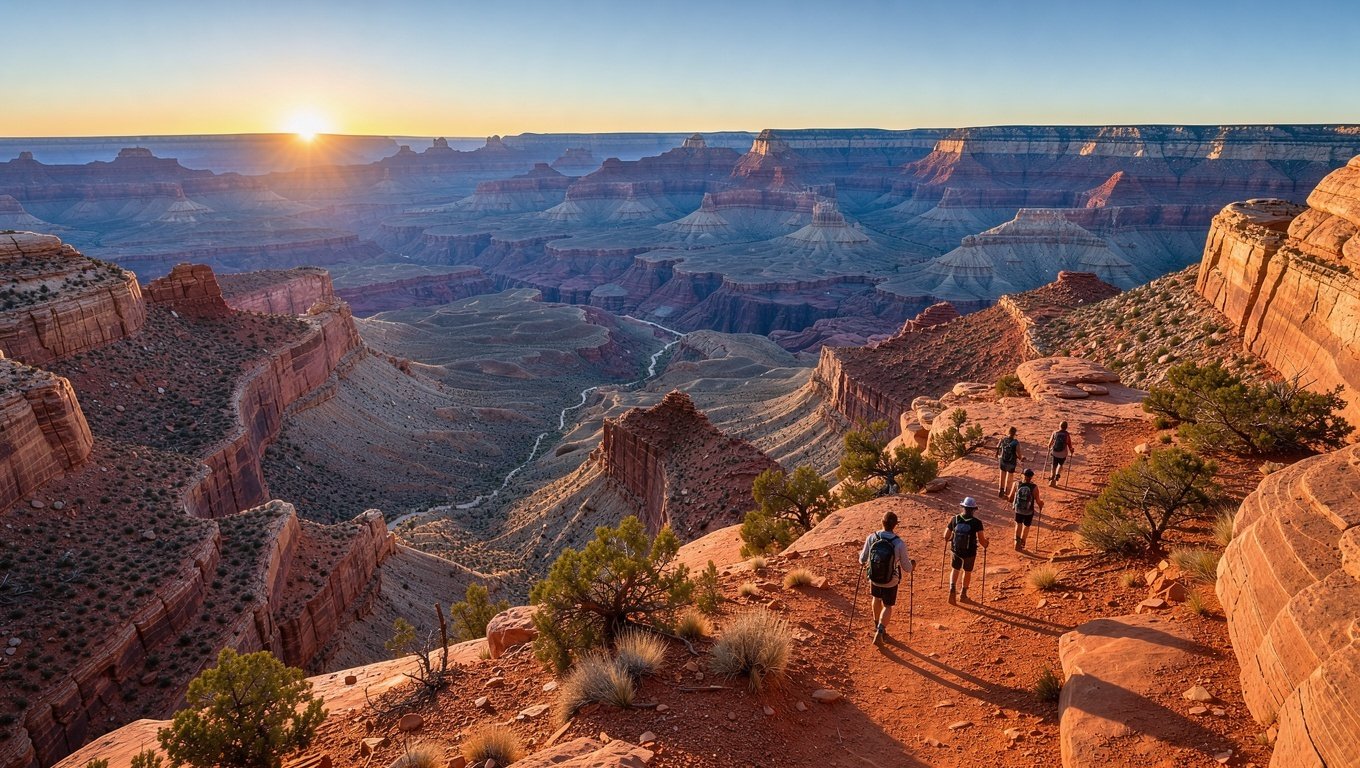
Utah's trails are short in distance and large in consequence. Most of the iconic hikes are under 10 km, but they are exposed, hot and often at altitude.
The single most useful habit is to start early. At Zion, being on the first shuttle transforms the canyon. At Arches, the Delicate Arch trail at dawn is a different hike from the same trail at noon — cooler, quieter, and with better light on the arch.
Six hikes worth planning a trip around
- The Narrows, Zion — a river rather than a trail, through a slot canyon. Check the flood forecast.
- Delicate Arch, Arches — 4.8 km, open slickrock, best at sunrise.
- Queens Garden & Navajo Loop, Bryce — 4.6 km among the hoodoos; the best value hike in the state.
- Grand View Point, Canyonlands — 3.2 km along a mesa edge with a 360-degree panorama.
- Hickman Bridge, Capitol Reef — 2.9 km to a large natural bridge, rarely busy.
- Observation Point, Zion — 16 km and 650 m of gain, with the best view in the park.
Heat is the real difficulty
In July and August the canyon floors regularly exceed 38 °C. The Park Service recommends at least four litres of water per person per day on exposed trails, and no shade means no relief. Turn around earlier than you would elsewhere.
02 · On snow
Skiing and snowboarding
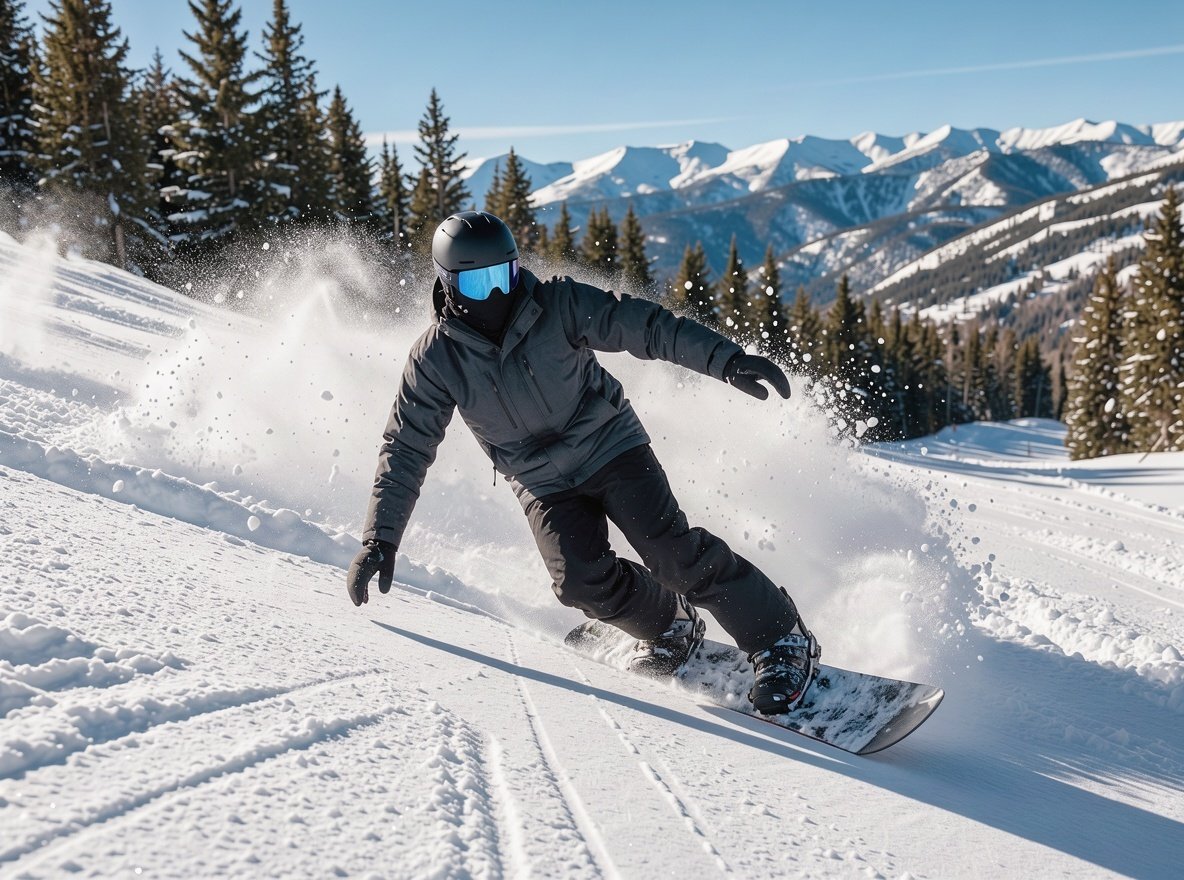
The Wasatch Range gets around 500 inches of snow a season, and it is unusually dry — roughly 8% water content. That is what "the greatest snow on earth" actually refers to: light, cold smoke that moves differently under a ski.
There are fifteen resorts within an hour of Salt Lake City's airport. They split into three groups, and the choice matters more than any lift-ticket discount.
| Area | From SLC | Character |
|---|---|---|
| Alta | 40 min | Skiers only, old-school, legendary powder |
| Snowbird | 40 min | Steepest terrain, the tram, snowboard-friendly |
| Solitude & Brighton | 45 min | Smaller, quieter, best value midweek |
| Park City Mountain | 40 min | Largest in the US, all abilities, town at the base |
| Deer Valley | 45 min | Ski-only, immaculate grooming, high service |
| Snowbasin & Powder | 60 min | Northern resorts, emptier, big terrain |
The catch is the canyon roads. Little Cottonwood Canyon is avalanche terrain and closes during big storms — sometimes for hours. Traction laws are enforced, and a two-wheel-drive rental without chains will not get you up on a powder morning.
03 · On wheels
Mountain biking and off-roading
Moab is the reason Utah has a mountain biking reputation, and the same slickrock that makes the riding famous is also what makes off-road driving possible.
Mountain biking
Three trails define the area. Slickrock is 16 km of rolling loops across bare sandstone with extraordinary grip and no shade. The Whole Enchilada descends 42 km from alpine forest to the river, usually ridden with a shuttle and only open from roughly July to October. Captain Ahab is the technical favourite, with rock drops and tight lines.
For intermediates, Bar M, Klondike Bluffs and Deadman's Ridge are forgiving introductions. Shops in town rent full-suspension bikes and run shuttles to the high trailheads.
Off-roading
Hells Revenge and Fins & Things are the famous Moab four-wheel-drive routes. The White Rim Road in Canyonlands is a 160 km loop below the mesa, requiring a permit and genuine high clearance. Most visitors hire a guided tour rather than risk a rental.
Slickrock is not a metaphor
The sandstone genuinely grips like sandpaper when dry — and becomes dangerously slick when wet. Do not ride it after rain. Also: there is no shade anywhere on the loop, so carry more water than you think.
04 · After dark
Dark sky stargazing
Utah has one of the highest concentrations of certified dark sky places on earth — five national parks, ten state parks and several communities hold the designation.
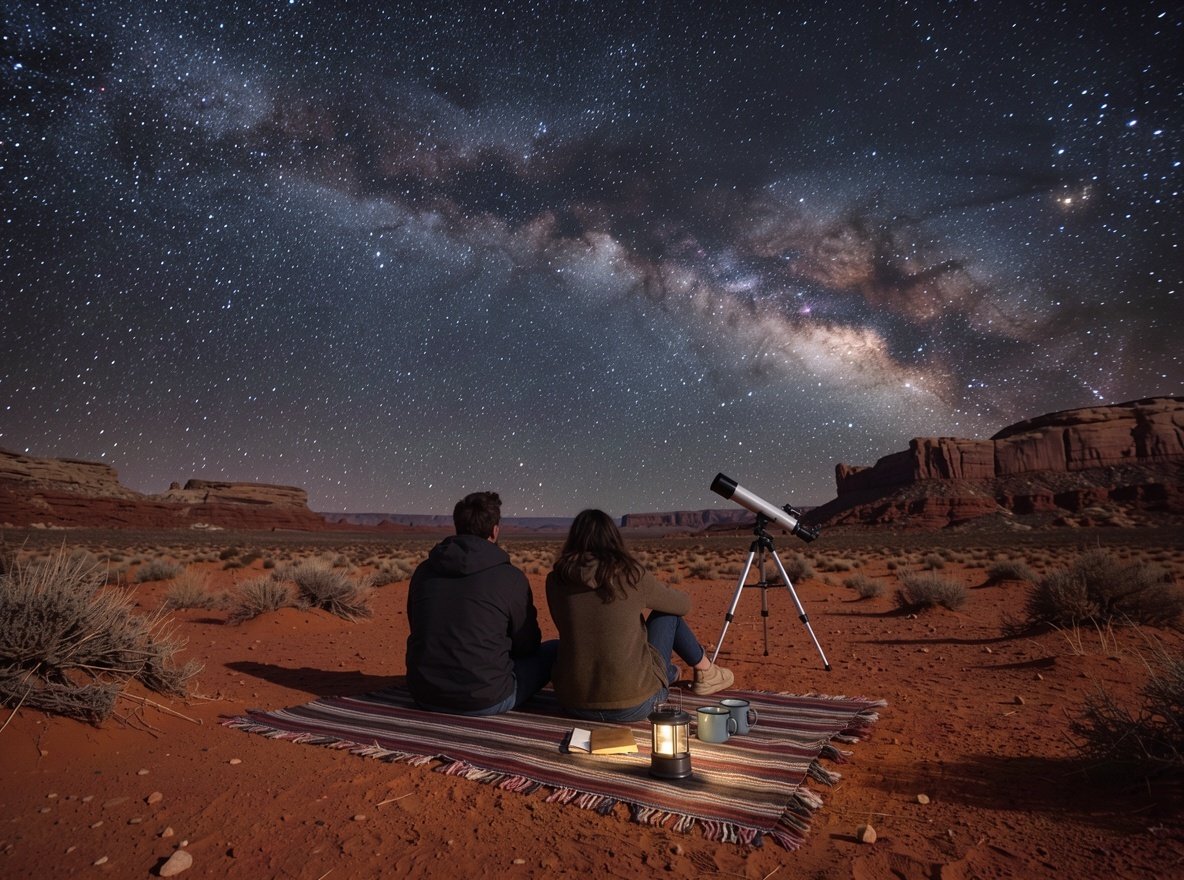
Bryce Canyon is the classic: an International Dark Sky Park at 8,000 feet with exceptionally clear air, where the Milky Way casts a faint shadow on a moonless night. Capitol Reef, Canyonlands and Arches all hold the same status, and because they are hours from any city, the sky is genuinely black.
How to do it properly
- Check the moon phase. A full moon is beautiful and completely washes out the Milky Way. Aim for a new moon.
- Bring a red torch. White light destroys night vision — yours and everyone else's.
- Allow 20 minutes for your eyes to adapt. Do not look at your phone.
- Dress for cold. Desert nights at altitude drop fast, even in summer.
- Join a ranger programme. Bryce and Arches both run telescope nights in season.
Photographing the night sky
A modern phone on a tripod can capture the Milky Way with a 10–30 second exposure. A camera with a fast wide lens does better. Either way, the technique is the same: manual focus at infinity, widest aperture, high ISO, and patience.
Two more worth mentioning
Photography, and travelling with children
Photography
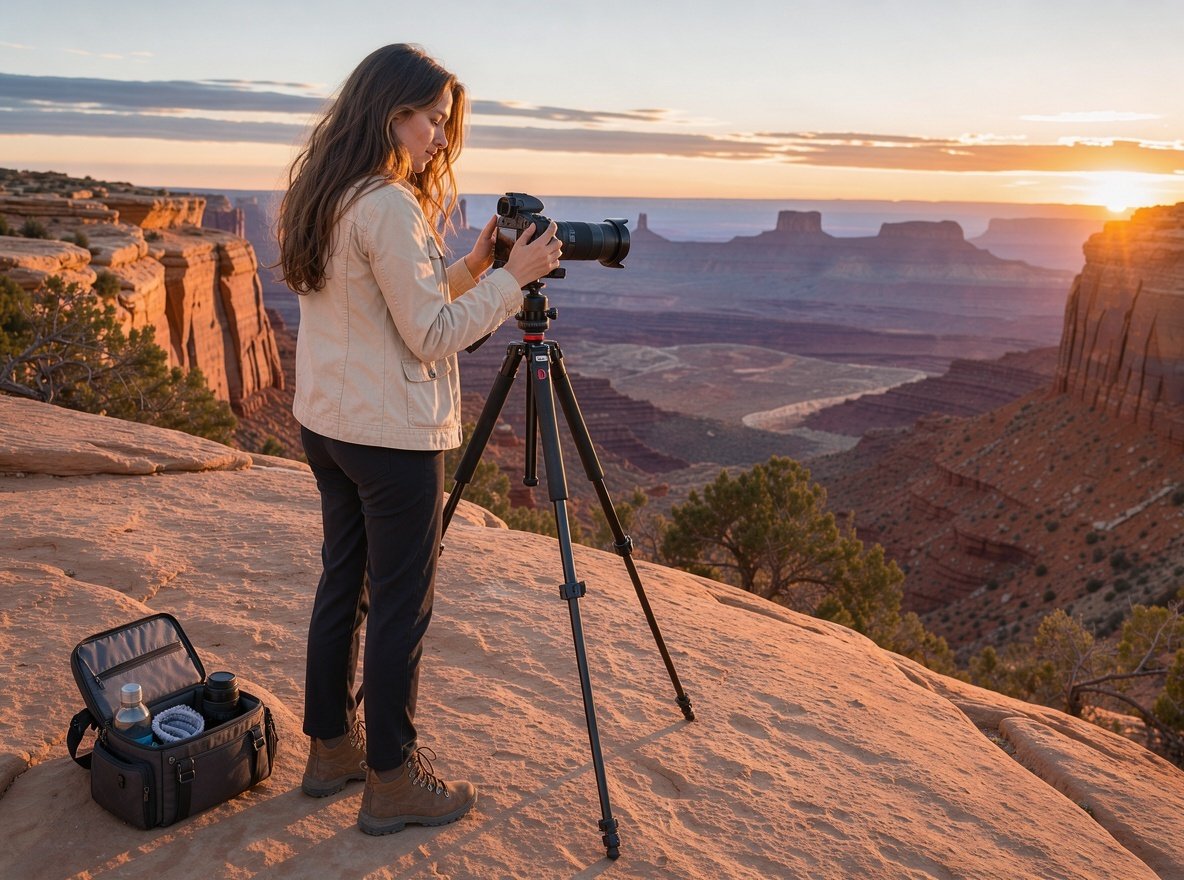
Utah is a photography destination because the light and the geology cooperate. The two hours after sunrise and before sunset do more work than any lens you can buy.
The classic spots — Mesa Arch, Delicate Arch, Sunrise Point at Bryce, the Watchman from the Zion bridge — are all crowded precisely because they work. Two alternatives with the same impact and a fraction of the people: Paria View at Bryce for sunset, and Dead Horse Point at dawn instead of Canyonlands.
Bring a polarising filter for midday, a tripod for the night sky, and a way to clean dust off the sensor — desert wind is relentless.
Bryce photography notesTravelling with children
The parks are genuinely good for families, provided you pick the right trails and avoid the heat. The Junior Ranger programme — free booklets at every visitor centre — turns a hike into a mission and is worth planning around.
- Zion: Riverside Walk is flat, paved and shaded, and ends at the river.
- Bryce: Queens Garden is 2.9 km and manageable from about age six.
- Arches: the Windows Section is short, flat and full of arches.
- Swimming: Sand Hollow near St. George, and hotel pools everywhere.
- Avoid: midday in July, and any trail described as "exposed".
Activity questions
What is the best hike in Utah for a first visit?
Queens Garden and the Navajo Loop in Bryce Canyon: 4.6 km, moderate, and it puts you inside the hoodoos within twenty minutes of leaving the car. For a bigger commitment, the Narrows in Zion is unforgettable but needs a weather check and river gear.
Can you ski and visit the national parks in the same trip?
Yes. Salt Lake City is roughly four hours from Moab and four and a half from Zion. A typical combination is three ski days in the Wasatch followed by two or three in the desert, which works particularly well in February and early March.
Do you need special gear for the Narrows?
You need shoes you do not mind soaking and a way to keep valuables dry. Most people rent canyoneering shoes and a dry bag in Springdale. A walking stick helps enormously on the uneven riverbed. In cool months, a dry suit is worth renting.
Where is the best stargazing in Utah?
Bryce Canyon and Capitol Reef are the two best — both certified dark sky parks, both remote, both high enough for clear air. Canyonlands and Arches are close behind. Check the moon phase before you commit to staying up.
Is Utah good for beginners at outdoor activities?
Very. There are flat, short trails in every park, beginner ski terrain at Park City and Brighton, and guided rafting on class I–II water near Moab. The main thing to respect is heat and exposure rather than technical difficulty.